
Unlock the power of
Tenebrio molitor
in every harvest
A next‑generation organic fertilizer packed with stable organic matter, active chitin, and a living microbiome. Natural, sustainable, and backed by science.
What is frass and why does it work?
Chitin: the key differentiator
Chitin triggers the plant’s natural defense mechanisms, activates responses against soil‑borne pathogens, and enhances tolerance to both biotic and abiotic stress. No other organic soil amendment delivers it in such a concentrated form.
Living microbiome in the rhizosphere
Beneficial microorganisms that colonize the root zone, stimulate soil biological activity, and boost the efficiency of supplementary mineral fertilizers.
Stable organic matter + natural NPK
90.1% organic matter with gradual mineralization. Balanced N‑P‑K supply (5‑4‑3), slightly acidic pH (6.2), and an optimal C/N ratio (10.9). Completely free of heavy metals.
Optimal ProtiFrass values
Our own certified laboratory analysis. ProtiFrass stands out in all relevant parameters compared to traditional organic fertilizers.
Comparison vs traditional fertilizers
| Parameter | Cattle/sheep manure | Poultry manure | Plant compost | Vermicompost | ProtiFrass ★ |
|---|---|---|---|---|---|
| Organic matter | 50–65% | 70–75% | 30–60% | 35–55% | 90.1% |
| Moisture | 40–55% | 15–20% | 30–60% | 25–40% | 10.6% |
| Nitrogen (N) | 1.5–2.0% | 2.3–5% | 1.0–2.5% | 1.0–2.5% | 5.0% |
| Phosphorus (P) | 1.0–1.5% | 3.0–4.0% | 0.4–1.2% | 0.8–2.0% | 4.0% |
| Potassium (K) | 3.0–3.5% | 2.0–3.0% | 0.5–1.3% | 1.0–2.0% | 3.0% |
| pH | 7.5–8.5 | 7.0–8.0 | 6.5–8.5 | 7.0–8.0 | 6.2 |
| C/N ratio | 15–25 | 7–12 | 20–30 | 15–20 | 10.9 |
| Heavy metals | Present | Present | Variable | Variable | Not detected |
| Active chitin | No | No | No | No | ✓ Yes |
★ Values based on our own certified laboratory analysis. Villa Insect SL, owner of the ProtiFrass brand.
From organic substrate to elite fertilizer
A completely natural, traceable and waste‑free process that closes the nutrient cycle in a sustainable way.
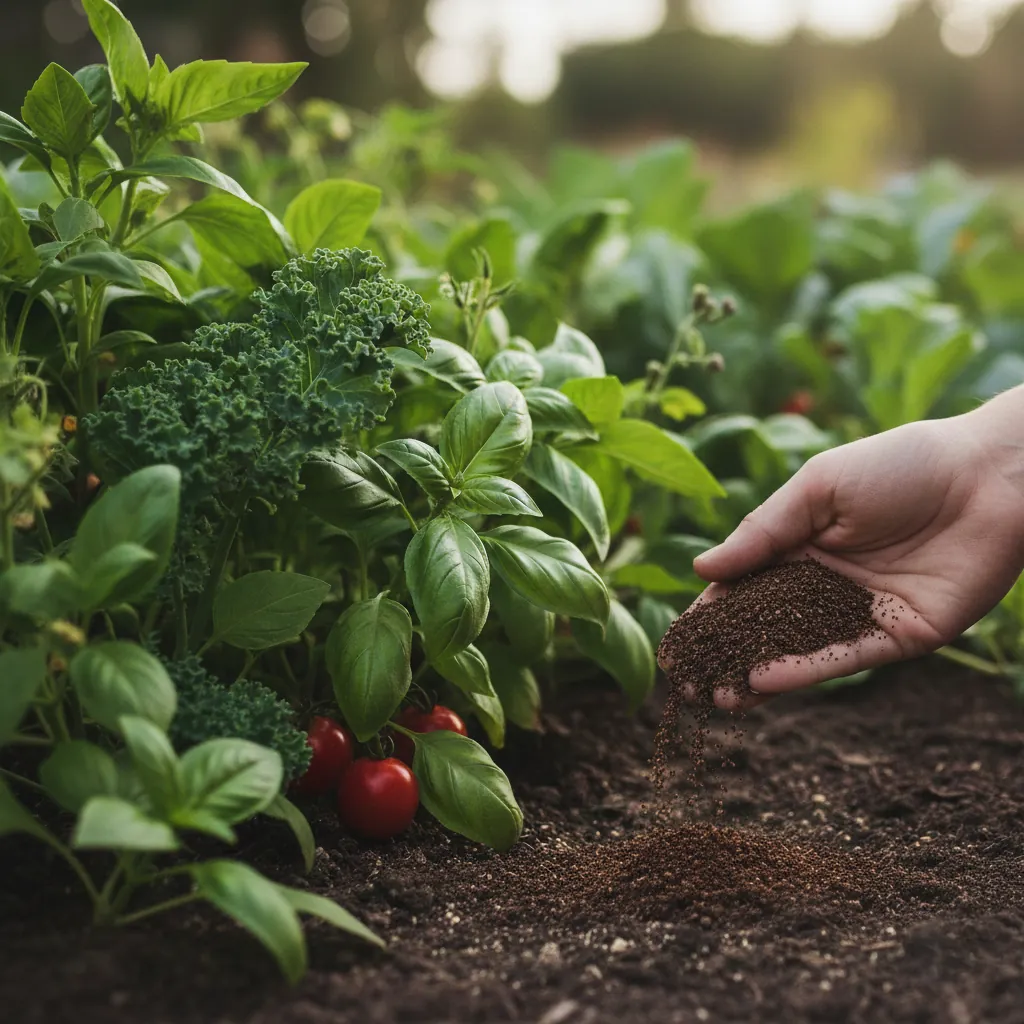
Plant substrate
Selected cereal and vegetable by‑products used as feed
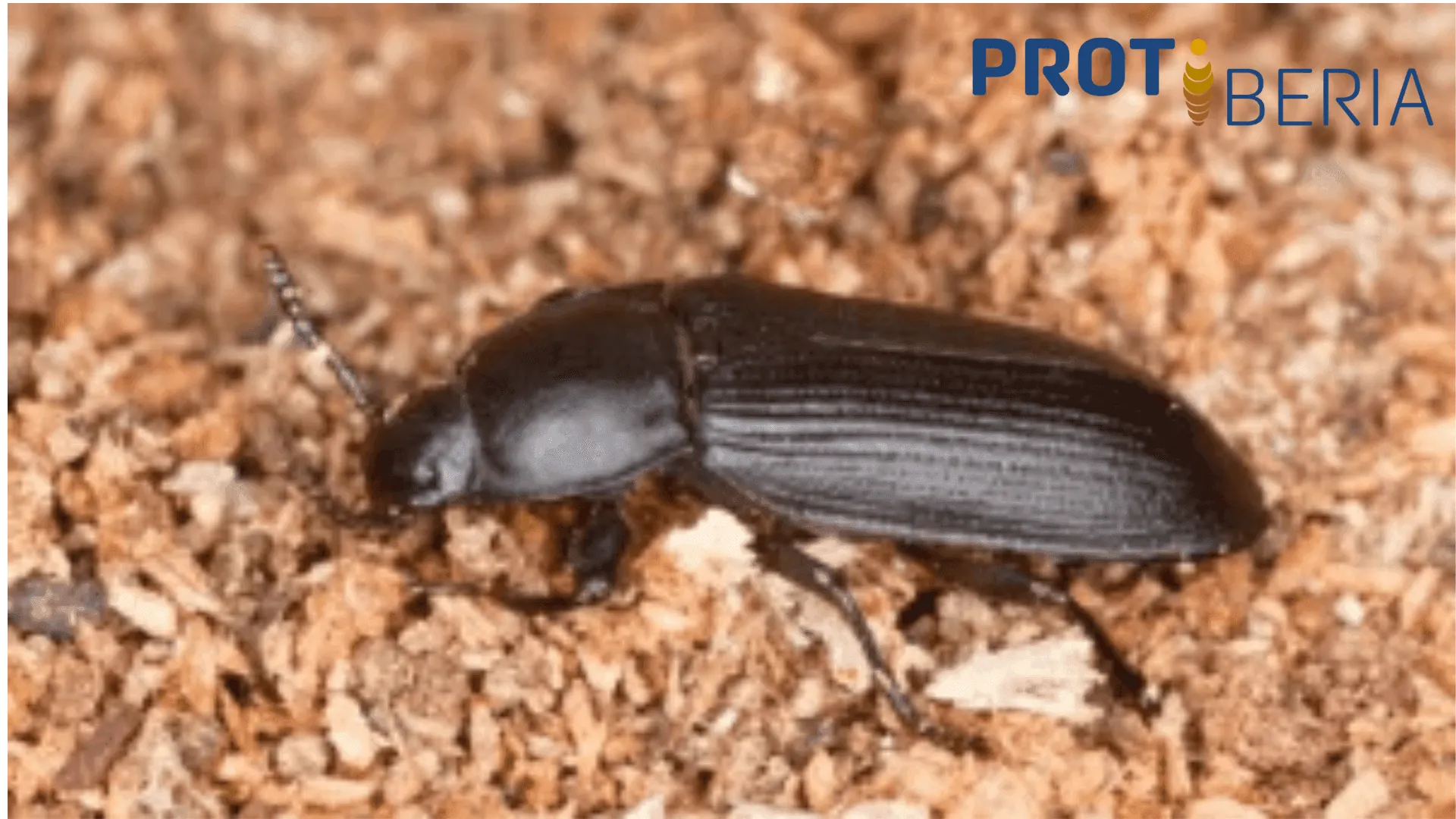
Tenebrio molitor
The larvae digest the substrate, producing protein, oil and chitin‑rich frass
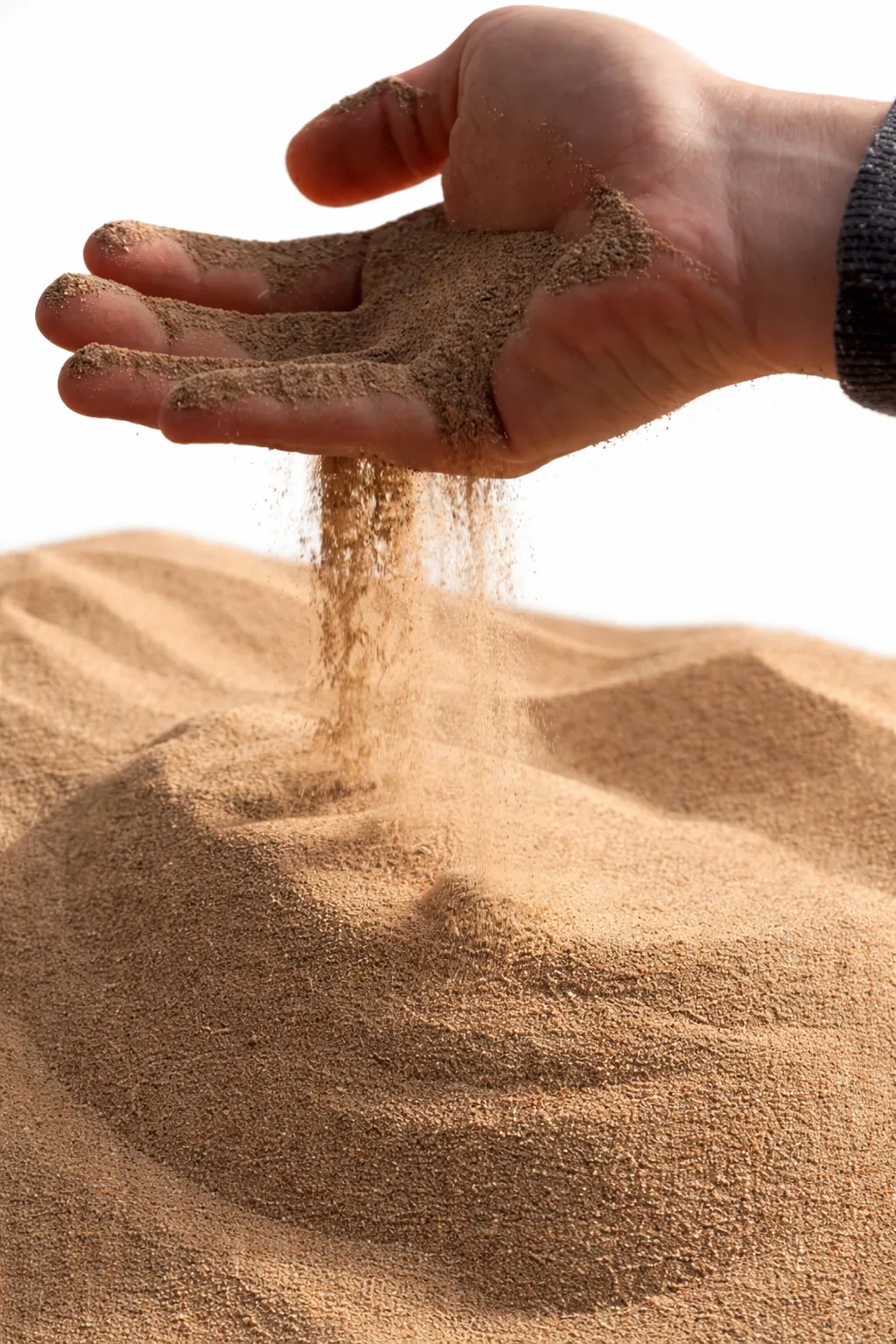
Screening and quality control
The frass is separated, screened and analysed to ensure uniform quality and particle size
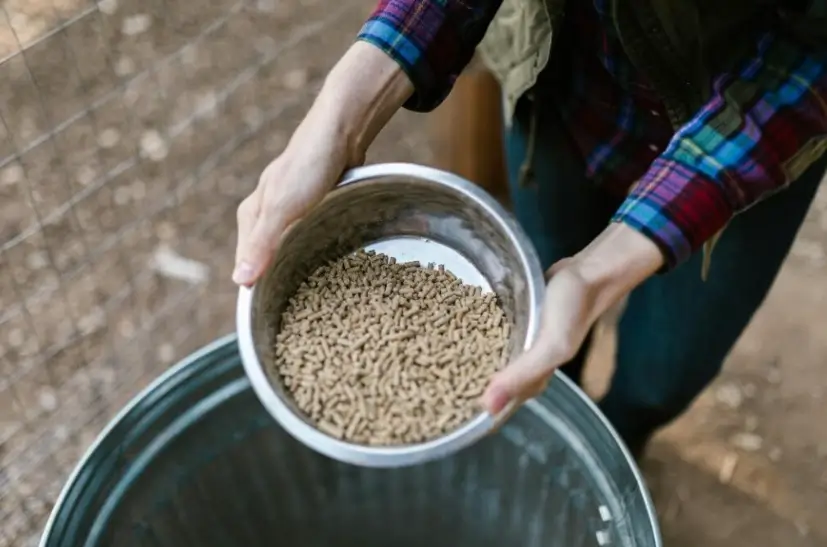
ProtiFrass
Available as screened powder or pellets with traceability and batch‑by‑batch analysis
Regenerated soil
Nutrients return to the soil, improving its biology season after season
Uses by crop type
Dosage, timing and proven benefits for each crop type.
Select a crop type to see doses and results
Vegetables
Tomato, pepper, aubergine, lettuce, Swiss chard and other short‑ and medium‑cycle vegetables respond exceptionally well to frass, whether in open field or greenhouse.
Woody crops
Olive, almond, pistachio, vine and fruit trees. For established plantations, apply beneath the canopy during the dormant season. For new plantings, mix into the planting hole.
Ornamentals
Container plants, pots, nurseries and trays. Mix with substrate before filling containers, or apply as a top‑dressing to established plants.
Cereals, pulses and oilseeds
Wheat, barley, oats, rye, pea, broad bean, lentil, chickpea, sunflower and rapeseed. Apply during seedbed preparation using a centrifugal spreader.
Field‑proven performance
Results from in‑house trials and partnerships with leading universities and research institutions, all confirming ProtiFrass effectiveness under real‑world growing conditions.

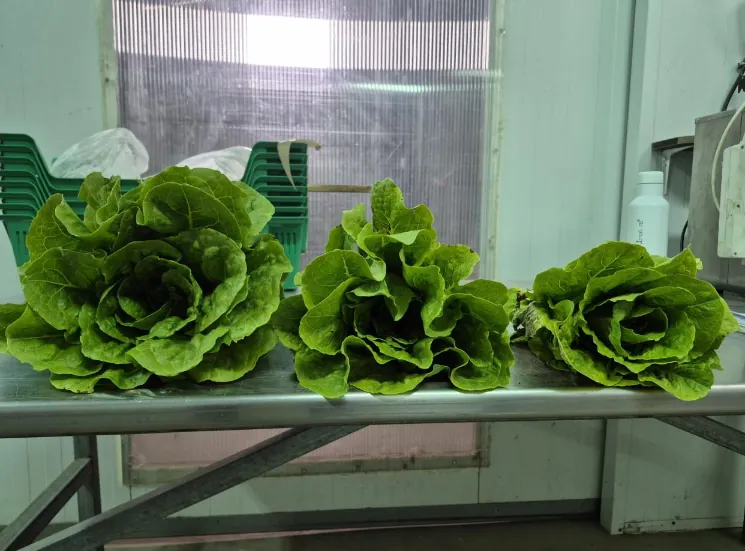
ProtiFrass outperformed mineral fertilizer and vermicompost in shoot and root biomass, chlorophyll content, and phosphorus uptake in P‑deficient soil.
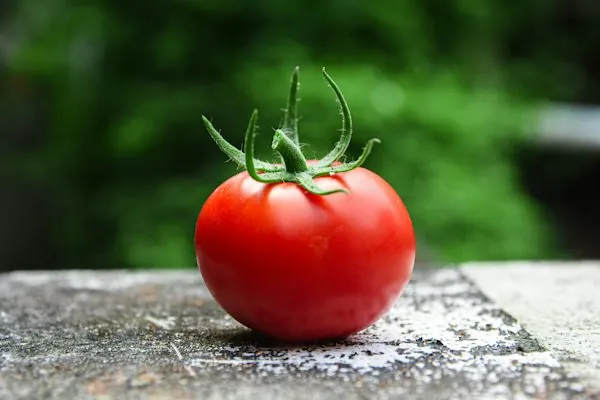
Frass significantly boosted vegetative growth, biomass accumulation and total yield compared with organic compost and conventional fertilisation, while also improving fruit quality and nutritional value.
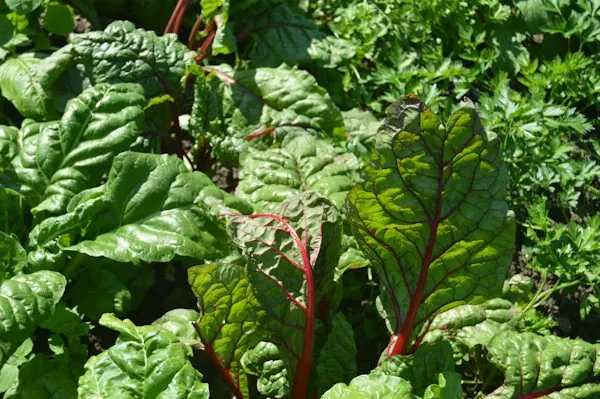
Greater development from the first weeks, larger leaf area, and more uniform growth. Final biomass increased consistently vs control, especially in Swiss chard.
Even at very low rates, plants showed greater vigour, improved trunk diameter, and superior graft development on UCB1 rootstocks.
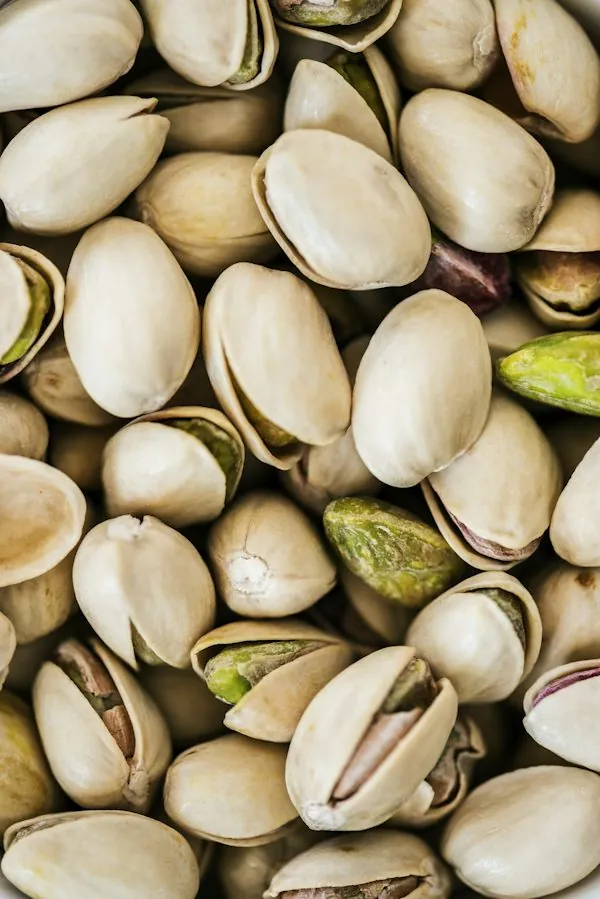
Two consecutive years of application in mature trees vs unamended control. Greater vegetative vigour, better fruit set, and a clear increase in yield per tree.
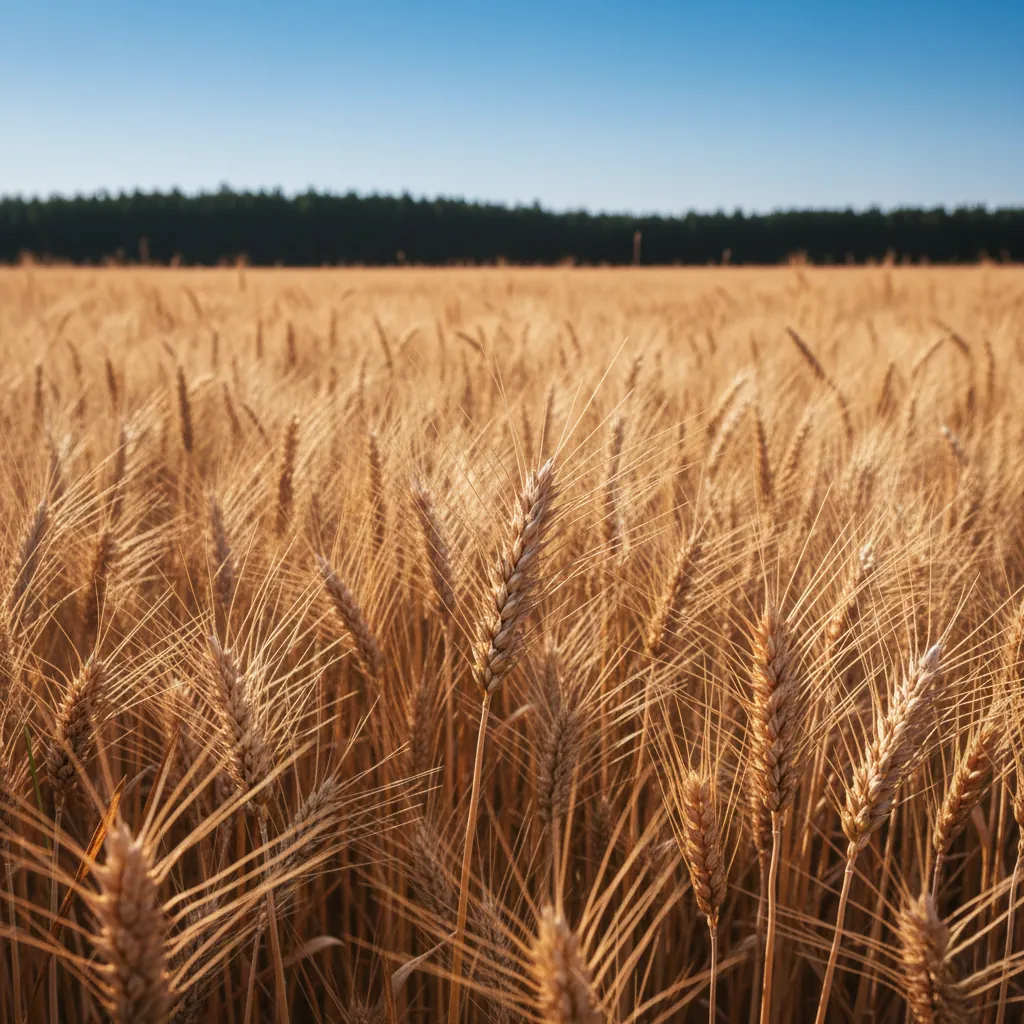
Frass increased the number of fertile tillers, improved ear uniformity and boosted specific grain weight. The progressive release of nitrogen clearly enhanced grain filling and overall crop performance.
What’s your profile?
Choose your profile to see a tailor‑made proposal for your business.
Raw material for next‑generation formulations
No other organic amendment brings together chitin, live microbiology, essential nutrients and stable organic matter in a single product. Adding ProtiFrass to your formulations sets you apart from the competition.
- Active chitin: a unique biostimulant you won’t find in other organic amendments
- A living microbiome that enhances the efficiency of the mineral NPK in your blends
- Highly effective even at low application rates – lowers your cost‑in‑use without compromising performance
- Screened, free‑flowing, homogeneous powder – ready for granulation with no extra processing
- Full batch‑by‑batch traceability: NPK, microbiology, heavy metals and particle size analysis
- Stable, year‑round supply you can rely on
- Technical support for pilot trials and compatibility testing with your existing raw materials
Supply formats
We provide technical support for pilot trials, dosage recommendations and compatibility testing with your existing production line.
Talk to our technical team →A distinctive product for your catalogue
The organic fertiliser market is growing fast – and growers are looking for real, visible results. ProtiFrass gives you something your competitors simply don’t have yet.
- Available in two forms: raw (screened powder) and pelletized, for different uses
- Proven results in vigour, yield and root development – clearly visible to your customers
- Effective at low doses – makes it easier to sell and gives you a strong economic argument
- Compatible with organic, ecological, conventional and organomineral production systems
- Ready‑to‑use technical material and sales arguments for your point‑of‑sale team
- Consistent quality and full traceability in every single batch
- Stable supply all year round, in all formats
Distribution formats
We provide full technical material and sales arguments so your team can confidently sell ProtiFrass to farmers.
Talk to us →Real field opinions
Farmers, nurseries and technicians who work with ProtiFrass share their experiences.
We had been looking for years for an organic product that would really boost development in young pistachio trees. With ProtiFrass we saw clear differences already in the first season, especially in rootstock diameter and shoot vigour.
We applied it as a base dressing in a greenhouse tomato crop. The plants started faster, the root system was noticeably more developed, and the fruits came out with better calibre. We have reduced part of the mineral fertilization without losing yield.
We integrated ProtiFrass into one of our organomineral lines. The technical data sheet is impeccable, the particle size is consistent, and the supply has never failed. The field feedback on its effectiveness has been very positive.
Participate in our trial program with ProtiFrass
We work with farmers, nurseries and technicians who want to validate the product in their own context. We provide the product, design the protocol and share the results with you.
Contact ProtiFrass
If you are a fertilizer manufacturer, agricultural distributor or need technical information, write to us. We reply within 24 hours.
ProtiFrass Blog
Technical articles, case studies and news on organic fertilization with insect frass, sustainable agriculture and the world of Tenebrio molitor.
+90% biomass in lettuce: how ProtiFrass outperformed mineral fertilizer in phosphorus‑poor soils
The study by the University of Seville compared frass from Tenebrio molitor and Hermetia illucens against mineral fertilizer, vermicompost and a control in a P‑poor soil. ProtiFrass achieved the highest shoot and root biomass, the highest chlorophyll content and significantly higher phosphorus uptake. We explain the methodology, the results and what it means for your crop.
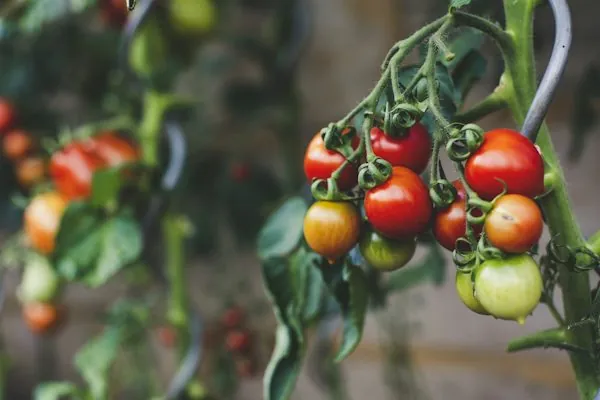
+30% greenhouse tomato production — University of Patras
Frass improved vegetative growth, increased biomass and boosted total production compared to compost and conventional fertilization.
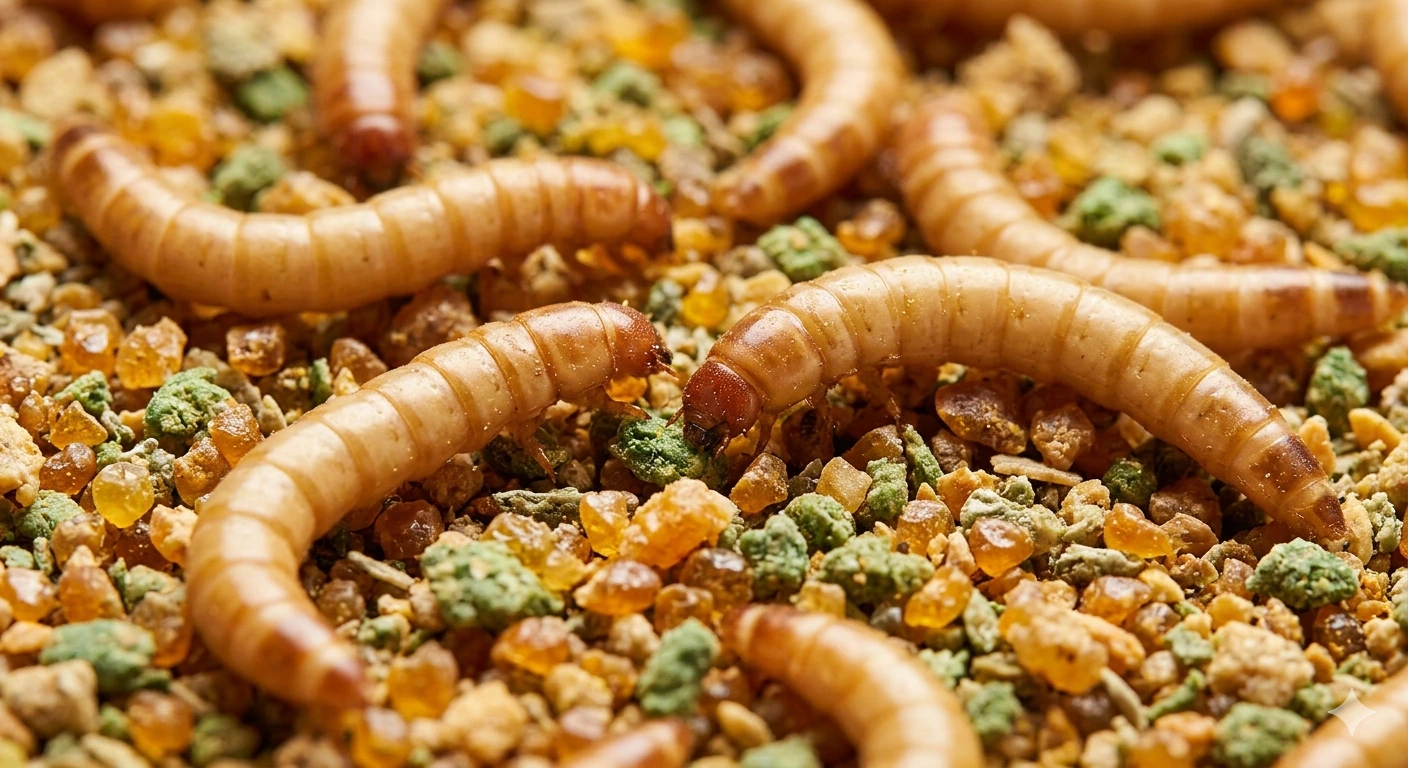
What is Tenebrio molitor and why is its frass so valuable for agriculture?
The mealworm has been with us for centuries. Discover why its frass is now one of the most promising organic fertilizers on the market.
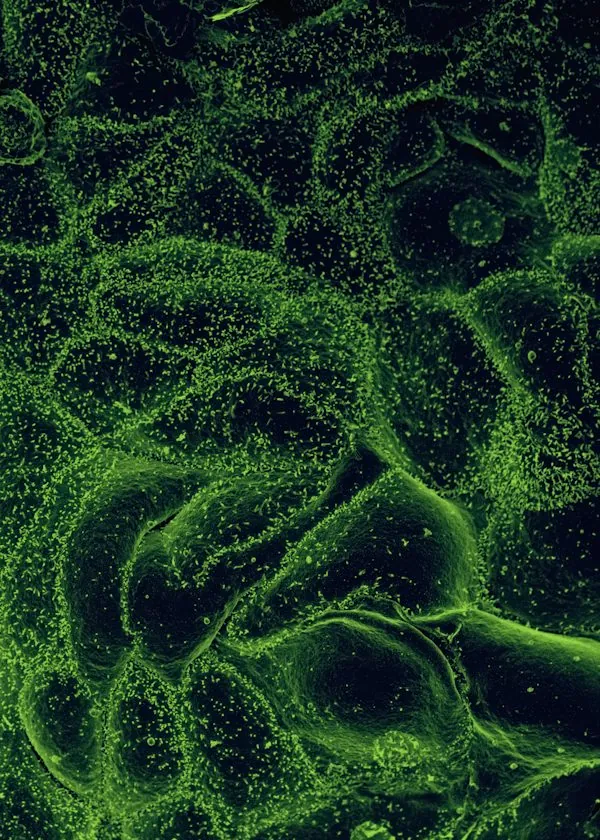
Frass valorization: a substrate for microalgae growth
Insect frass, rich in nutrients such as nitrogen, phosphorus and organic carbon, is presented as a sustainable substrate for microalgae cultivation (Chlorella vulgaris, among others). This synergy closes the nutrient cycle, reduces dependence on chemical fertilizers and opens up new pathways for the circular bioeconomy in agriculture.

Guide to ProtiFrass dosage and application timing by crop
From 750 kg/ha in vegetables to 1‑2 kg/tree in woody crops. Everything you need to know about how and when to apply ProtiFrass to maximize its effectiveness.
Circular economy in agriculture: how frass closes the nutrient cycle
From agro‑industrial by‑product to elite fertilizer. The Tenebrio molitor cycle transforms plant waste into a product with high agronomic value without generating new waste.

Chitin in soil: mechanism of action and biostimulant effect on plants
Chitin is the great differentiator of frass compared to other organic amendments. Discover how it acts in the rhizosphere, which responses it activates in the plant and why no other fertilizer offers it in a comparable way.
Wheat yield improvement: results from the University of Switzerland
Frass significantly increased shoot biomass compared to mineral fertilizer and the control, while the 50/50 combination improved nitrogen nutrition and reduced the risk of N loss.
The life cycle of Tenebrio molitor and its impact on frass quality
The larval feeding substrate, development stage and rearing conditions directly determine frass composition. This is how we control quality from the source.
